Steam Cleaning for Stone
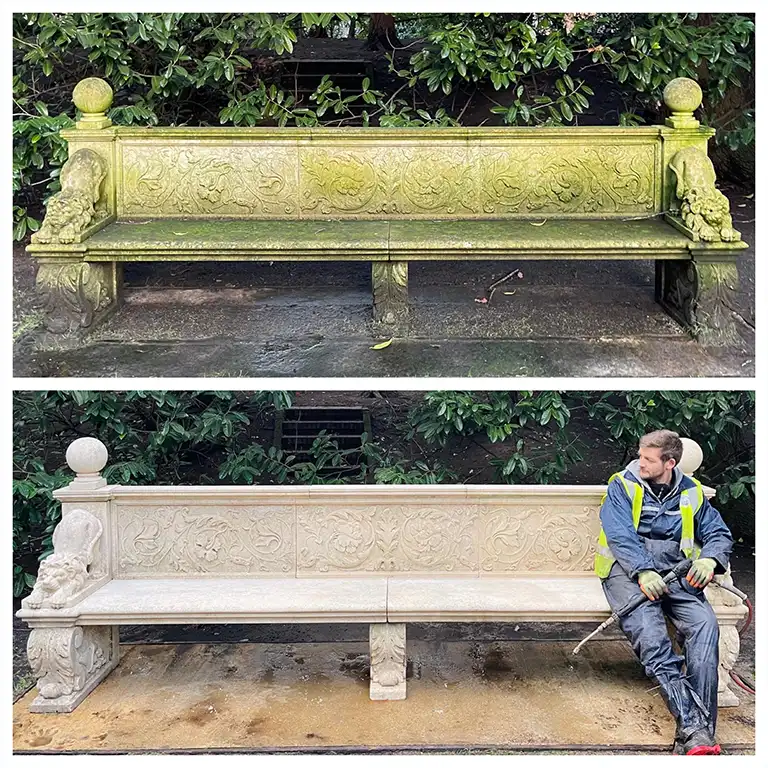
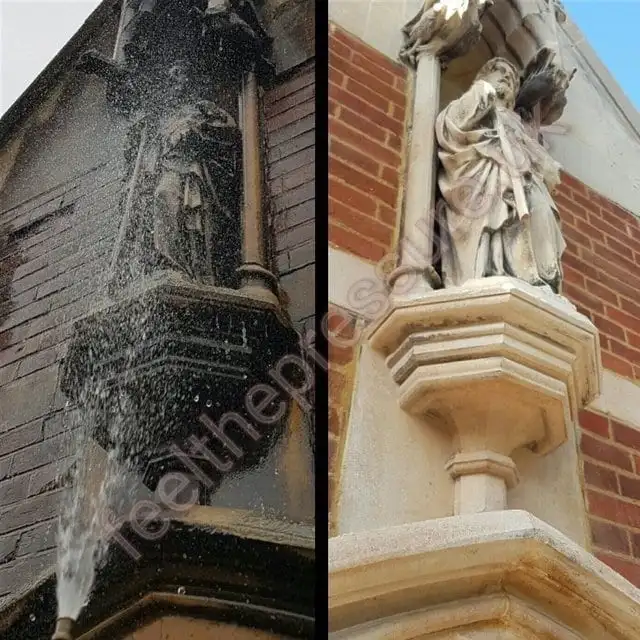
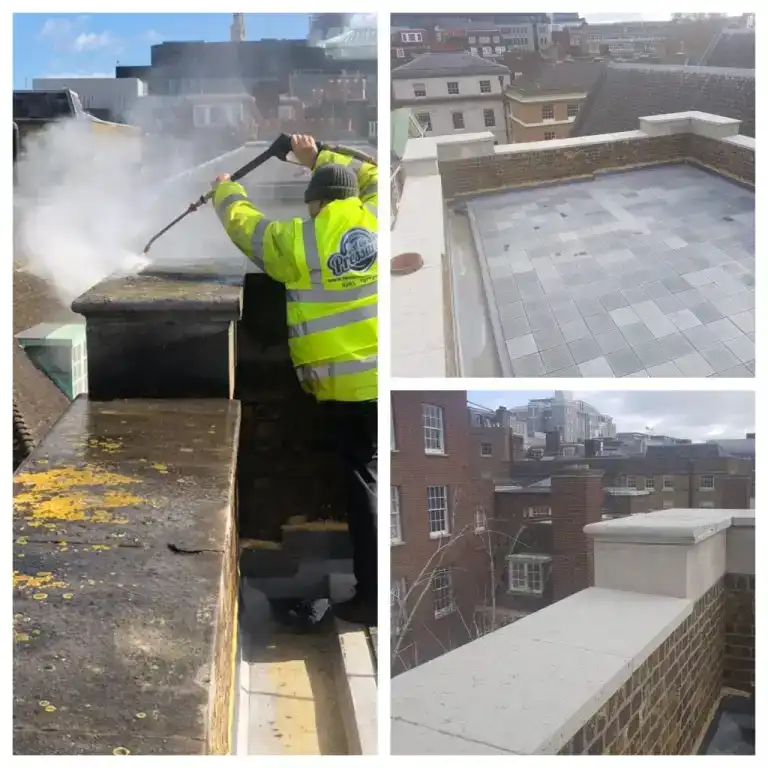
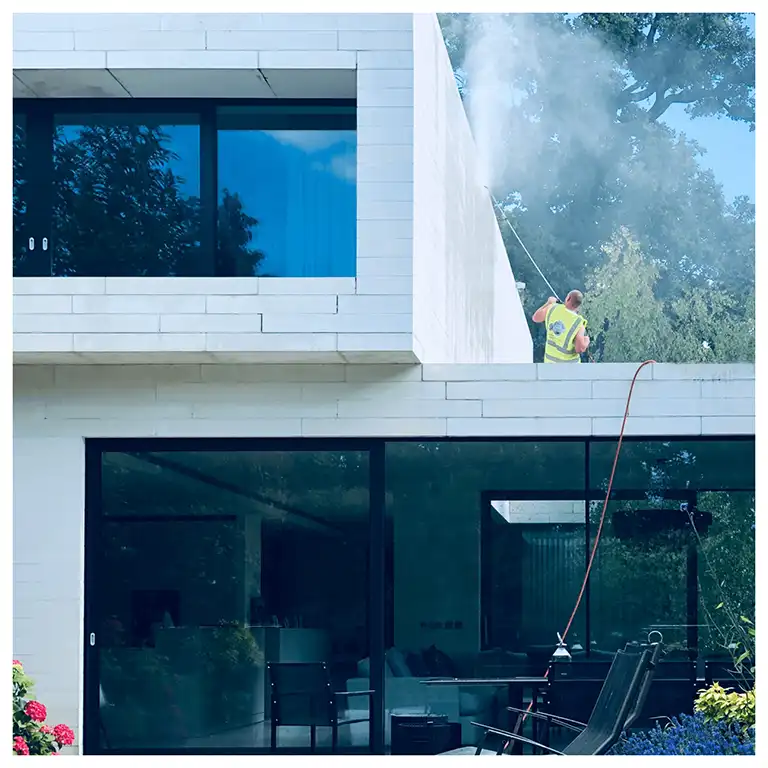
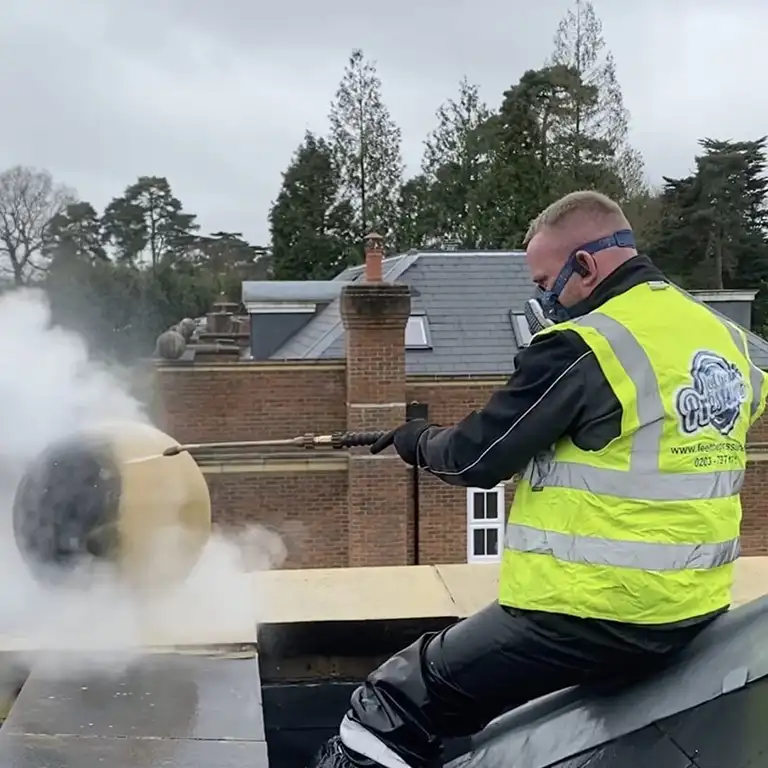
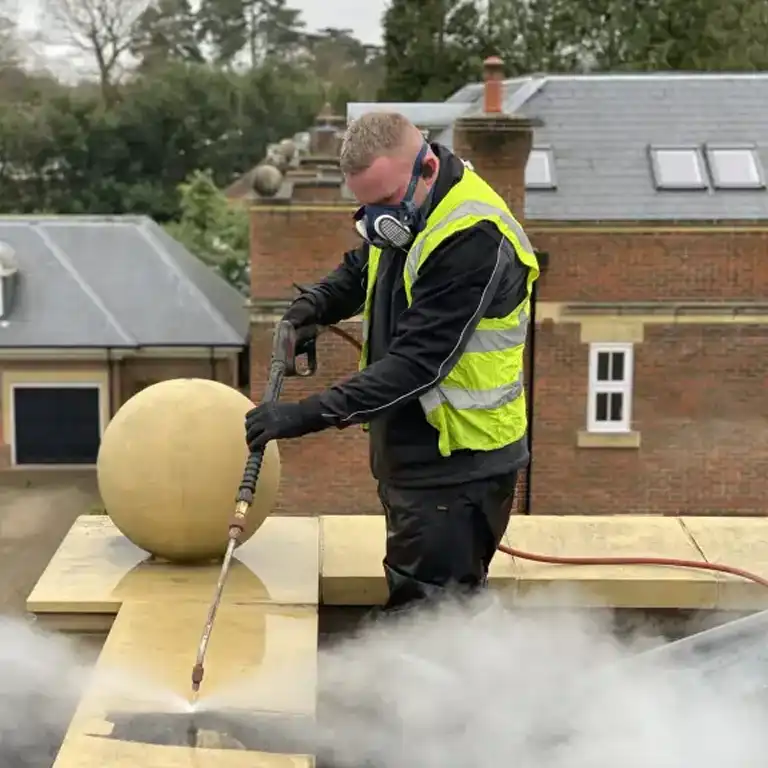
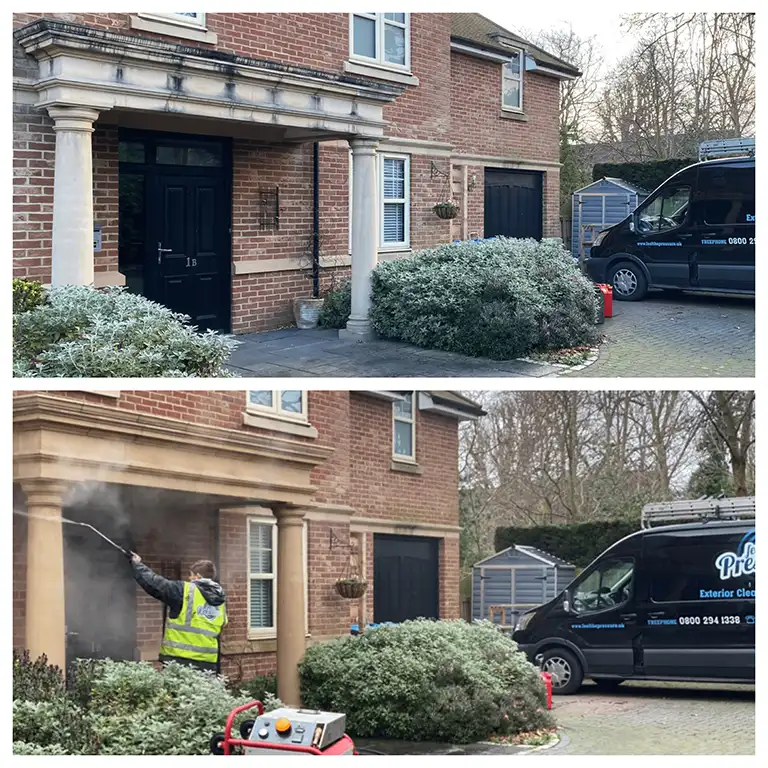
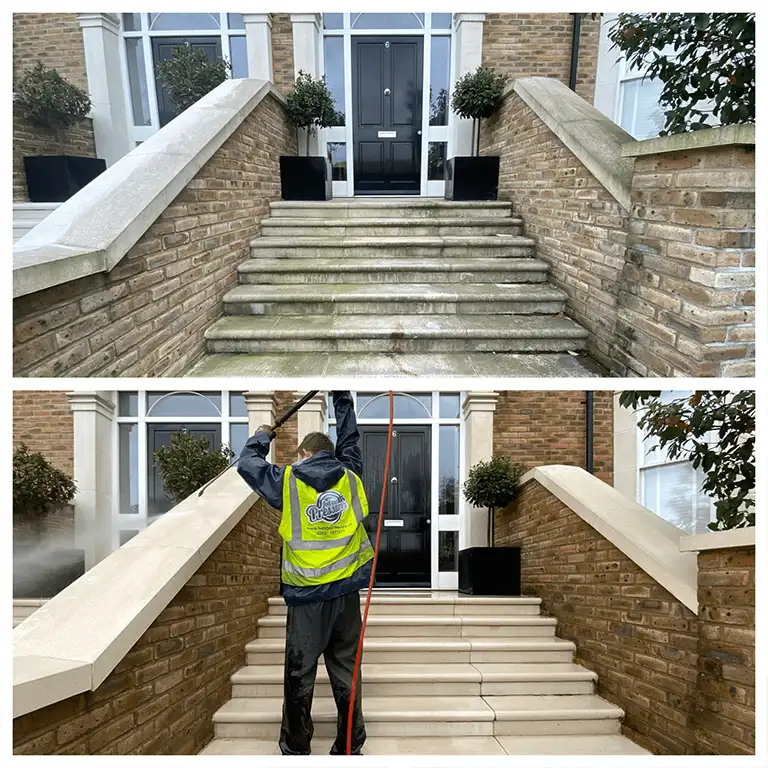
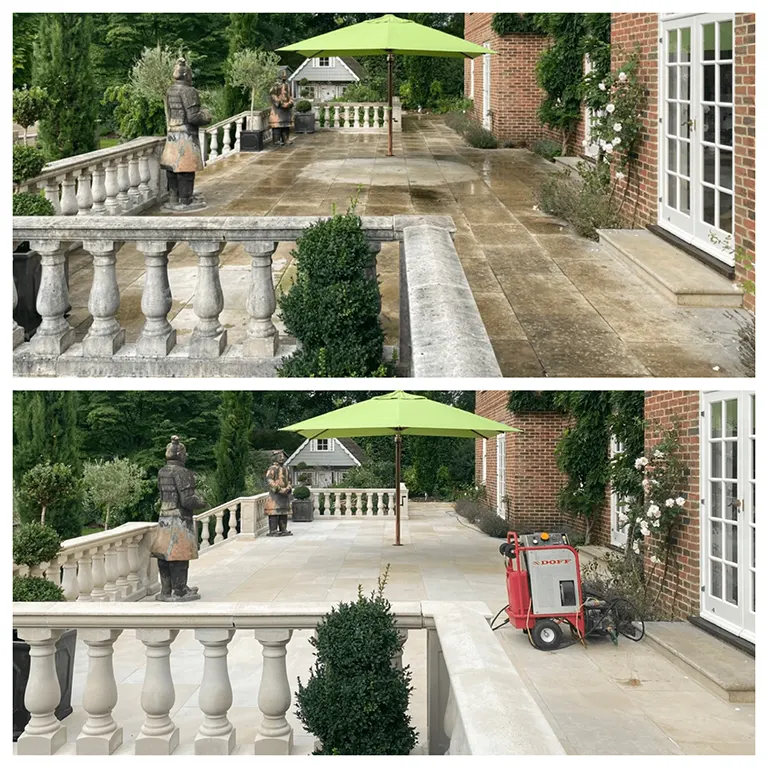
Steam cleaning is one of our most commonly used and most effective stone cleaning methods, particularly for delicate, weathered, heritage, and high-value stonework.
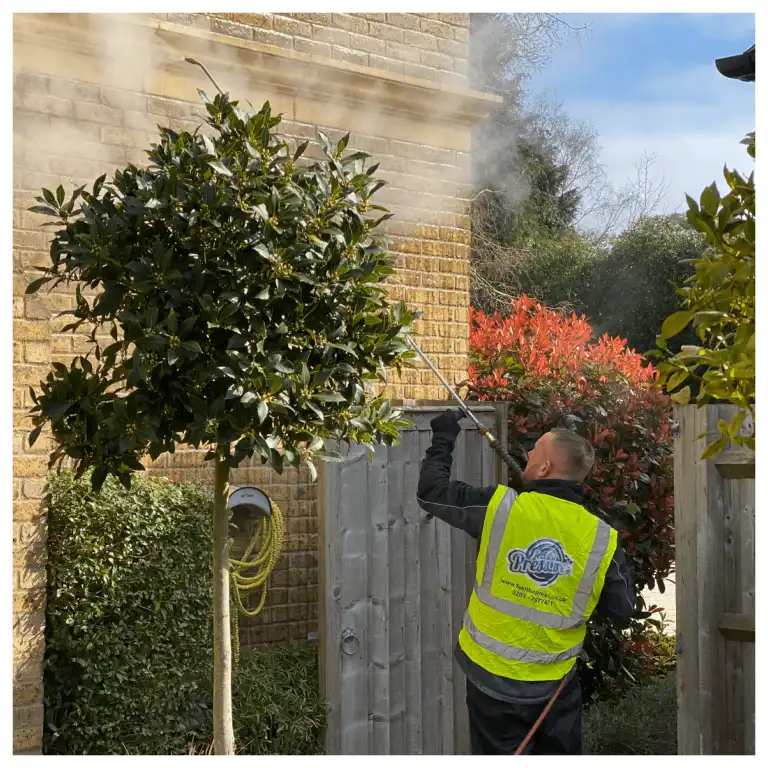
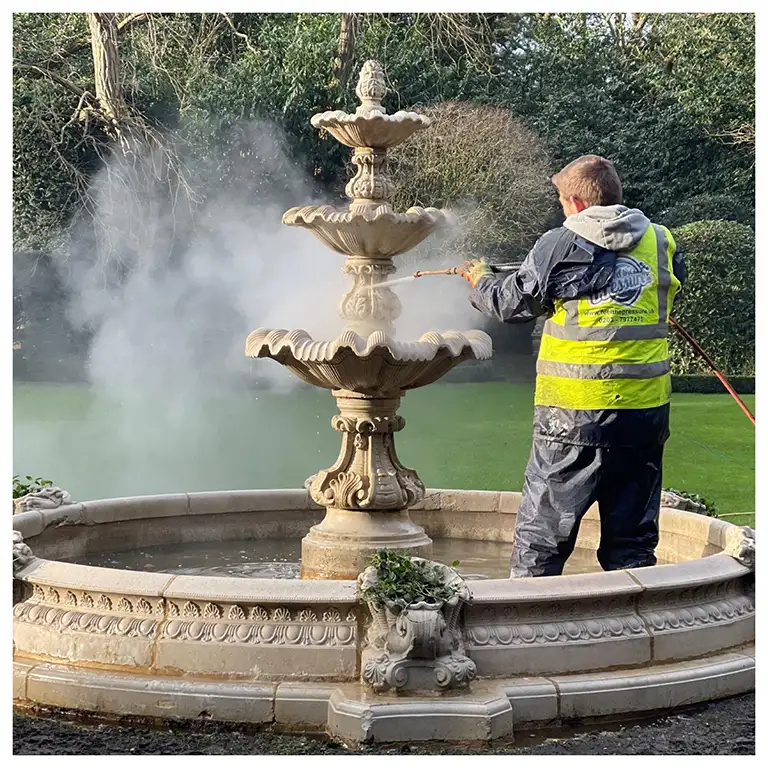
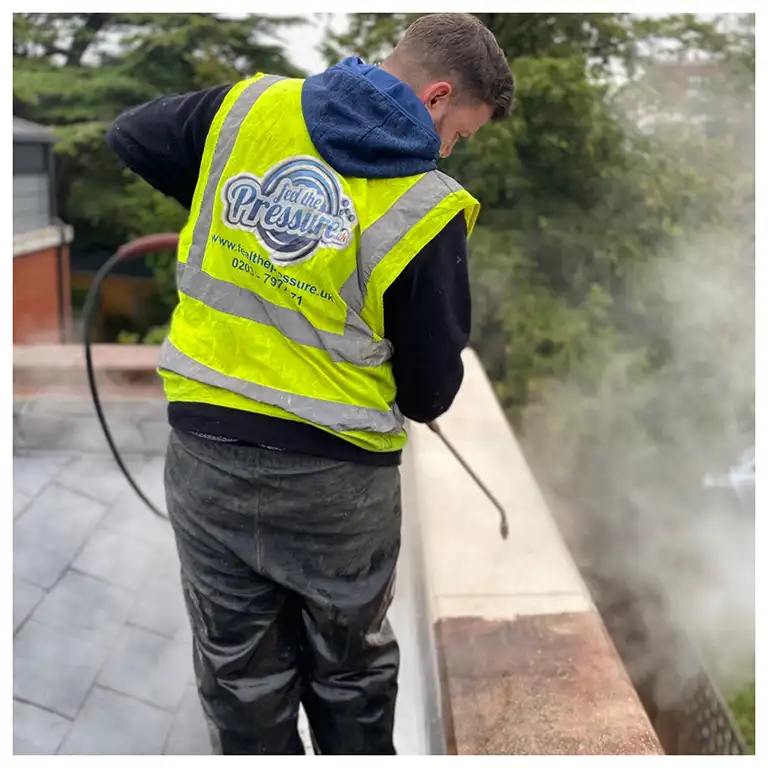
Rather than relying on mechanical force, steam cleaning works through controlled heat. Using specialist systems including DOFF, Therma, and Torik, we clean stone at very low pressure and high temperature, allowing biological growth, atmospheric pollution, and surface soiling to be lifted safely without abrasion, etching, or surface saturation.
This approach is fundamentally different from aggressive cleaning methods that depend on impact or force, which can drive moisture and debris into porous stone and accelerate long-term deterioration. Steam cleaning avoids these risks entirely, making it the preferred option where stone condition, age, and moisture sensitivity must be carefully controlled.
Steam cleaning is especially suitable for:
-
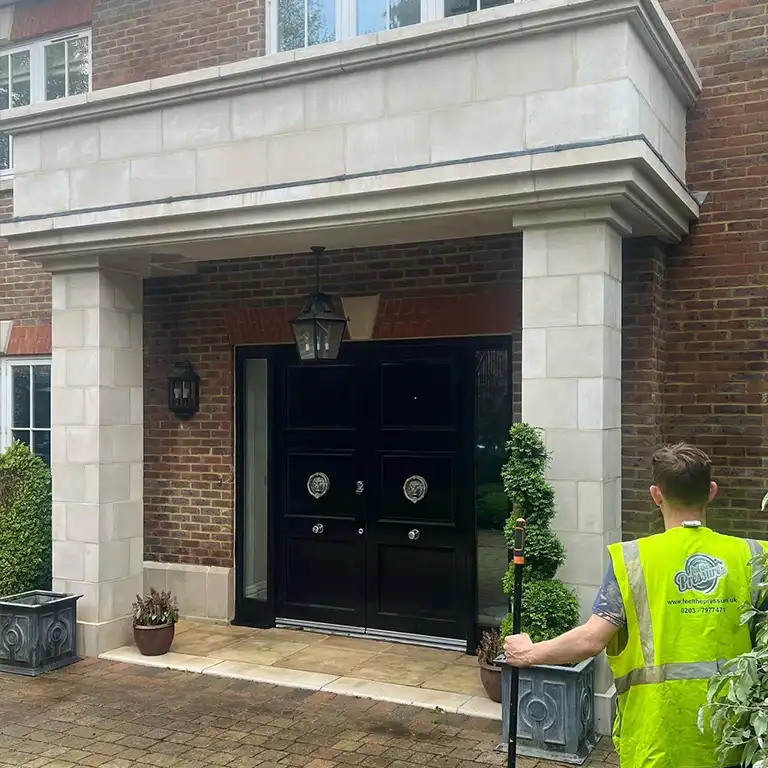
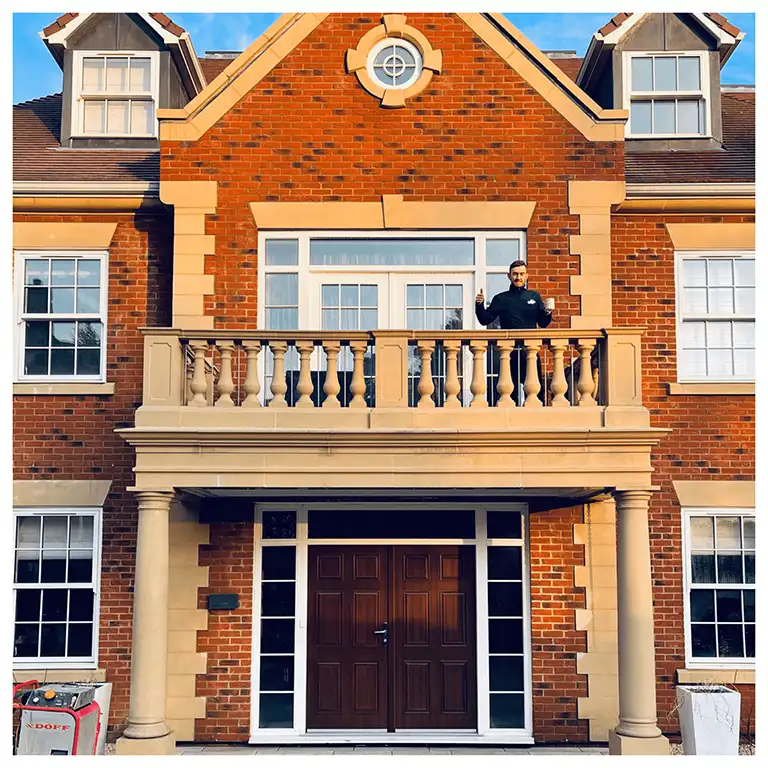
Historic and listed stone façades
-
Soft and porous natural stone
-
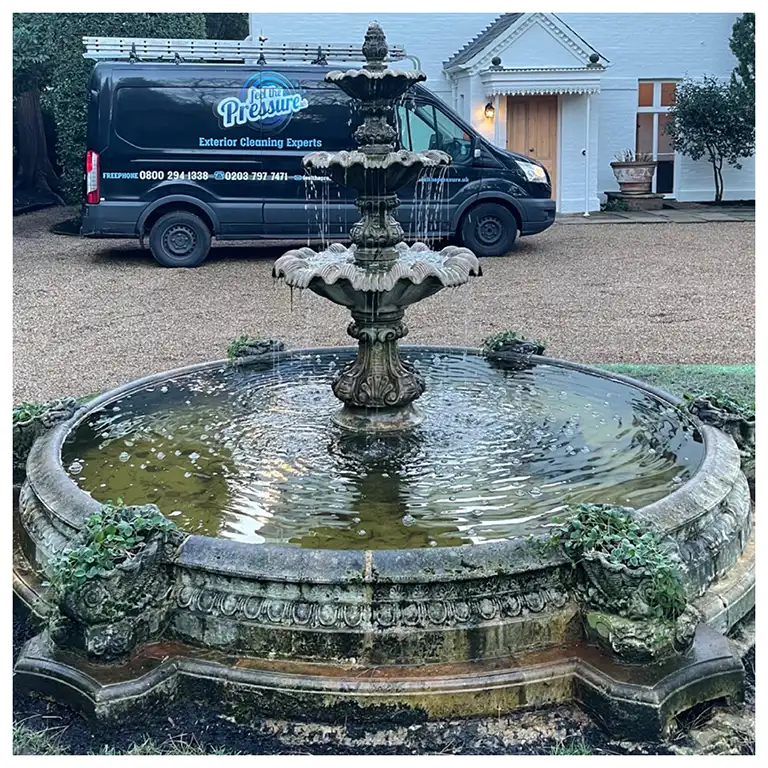
Decorative or finely detailed architectural stonework
-
Areas where moisture control is critical
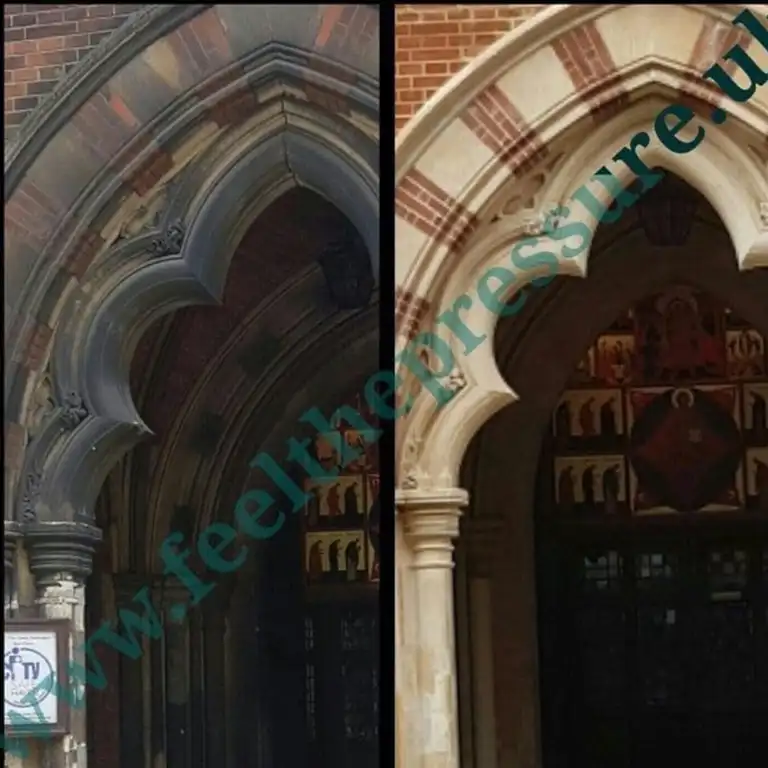
This method is widely used on heritage and conservation projects and is recognised as a safe, non-aggressive way to clean stone while preserving surface integrity, texture, and character, rather than stripping or over-cleaning the material.
For a more detailed explanation of the system and technical process, visit our DOFF Steam Cleaning service page.
Soft Washing for Stone (Selective & Stone-Safe Use Only)
Soft washing can be an effective stone cleaning method in specific circumstances, particularly where biological growth such as algae, lichen, or organic staining is the primary issue and the stone type allows for it.
This approach uses carefully selected, stone-safe treatments applied at low pressure to break down organic contamination, followed by controlled rinsing. It does not rely on force or abrasion and is only used where the stone can safely tolerate the process.
Soft washing is never used as a default method on stone. Its suitability depends on the stone type, porosity, age, condition, and the nature of the contamination present. On sensitive, historic, or moisture-vulnerable stonework, steam cleaning is often the preferred approach.
Where appropriate, this method can help reduce rapid regrowth and maintain a cleaner stone surface for longer, while preserving the stone’s appearance and integrity.
Specialist Stone Treatments (When Required)
Some stone surfaces are affected by contamination that cannot be safely removed using steam cleaning or soft washing alone. In these cases, specialist stone cleaning treatments may be required, selected specifically for the surface type and the nature of the staining.
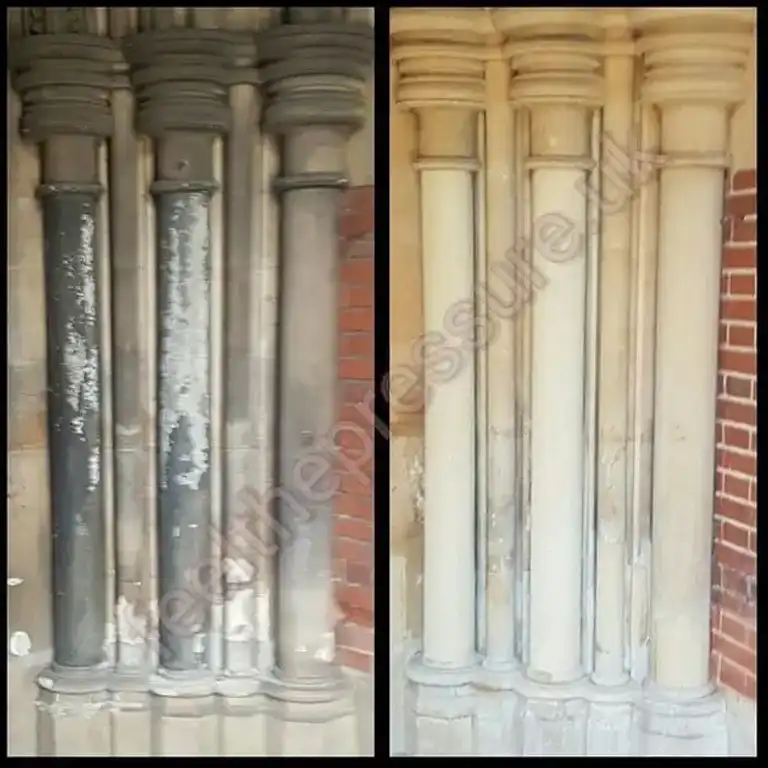
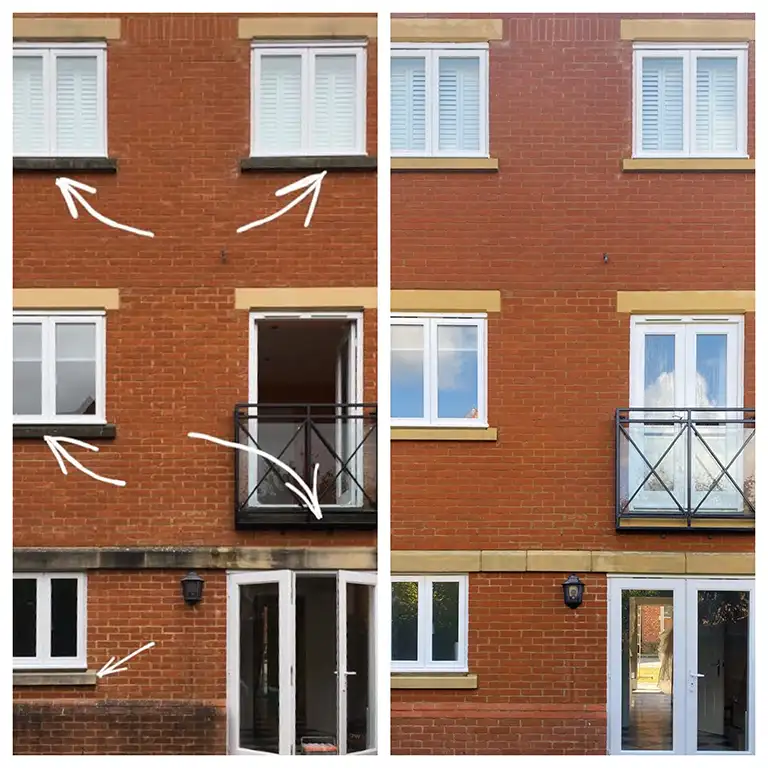
This can include the careful treatment of rust and iron staining, atmospheric pollution, carbon deposits, and other ingrained contaminants commonly found on older, urban, or commercial stonework. These issues are often linked to metal fixings, historic features, runoff, or long-term environmental exposure.
Specialist treatments may also be required where stone has been affected by paint residues, inappropriate coatings, or graffiti. These situations demand a particularly controlled approach, especially on porous, historic, or architecturally significant stone, where aggressive removal could cause permanent damage or uneven appearance. At Feel the Pressure UK, we are highly experienced in masonry paint removal, with a proven track record restoring painted stone and brickwork on hundreds of residential, commercial, and heritage properties using careful, surface-appropriate methods.
Any specialist treatment is:
-
Chosen specifically for the stone
-
Used only where necessary
-
Applied in a controlled and targeted manner
-
Fully neutralised and rinsed to protect the surface
Treatments are never used as a blanket solution and are only introduced where assessment shows they are required to achieve a safe, appropriate, and long-term result.